
You quit your full-time job last month. Excitement hits hard as you picture flexible hours and big paychecks on Upwork or Fiverr. Then reality strikes. Cash flow dries up after a few low-paying gigs, and picky clients leave bad reviews.
In 2026, freelancing booms in the US. Over 52% of workers freelance full or part-time. Platforms like Upwork, with nearly 12 million users, and Fiverr see huge demand for skills like AI tools. Yet beginners often stumble on the same pitfalls.
This guide covers common mistakes new freelancers make. You’ll learn about pricing traps, profile errors, client habits, money blunders, and mindset fixes. Simple steps help you dodge these issues. You can build steady income fast and join the 31% earning $75,000 or more yearly. Let’s get started.
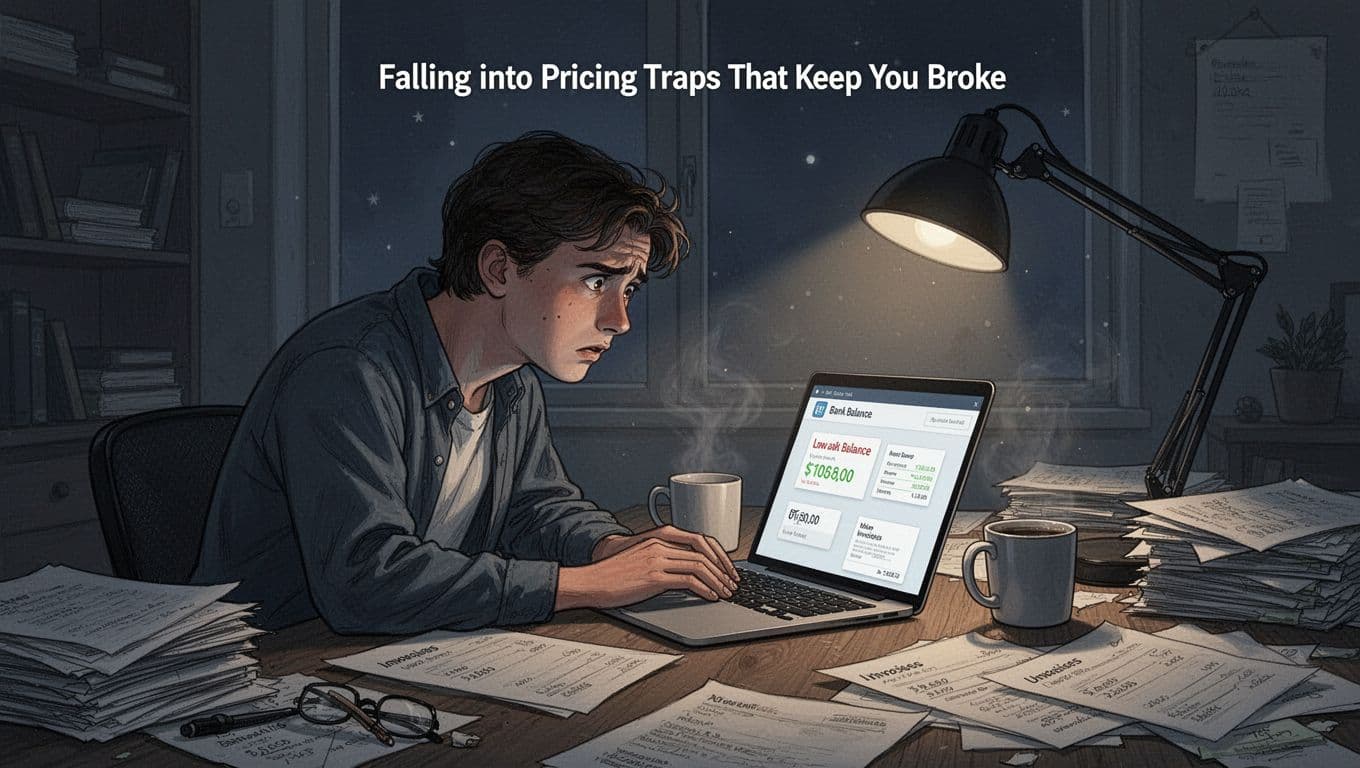
Falling into Pricing Traps That Keep You Broke
New freelancers often charge too little. They pick hourly rates or per-word fees. This caps earnings as skills improve. Speed up work, and pay stays flat. Fixed project fees change that. You earn more for the same result.
Clients sense weakness when you skip budget questions. Always ask first. Base rates on value and past wins. A video editor who boosted views deserves premium pay. In 2026, top sellers use this approach. For details on Upwork fixed price vs hourly contracts, check this guide.
Build a cash buffer before full-time freelancing. Six months’ expenses prevent desperate bids. Start with one month’s savings. This shifts your mindset from begging to choosing fits. Upwork sellers report better reviews after this change. Fiverr quick-gig pros agree. Bad bids lead to burnout.
Why Fixed Fees Beat Hourly Rates Every Time
Hourly pricing limits income. You trade time for money. Fixed fees reward efficiency. Take a video edit job. Charge $20 per hour, and 25 hours nets $500. Set a $500 fixed fee. Finish in 15 hours, and effective rate jumps to $33 per hour.
Clients prefer predictability. They know costs upfront. In 2026 trends, 32% of Upwork jobs pay $1,000 or more with fixed terms. Value-based pricing fits AI-savvy freelancers. Clients pay for results, not minutes.
The Danger of No Cash Buffer and How to Build One
No savings force bad choices. You grab low-pay gigs from fear. Poor work follows, then bad reviews tank your profile. Clients scroll past.
Save gradually. Cut one expense weekly. Aim for six months over time. Start small for confidence. One Upwork freelancer shared how $5,000 buffer let them pick premium jobs. Income doubled in months. You can do the same.
Botching Your Profile and Gigs So Clients Scroll Past
Profiles kill opportunities if done wrong. On Fiverr, pick bad categories or tags. Search rankings drop. Constant changes confuse algorithms. In 2026, stick to researched choices.
Vague skills flop. List “Premiere Pro expert” without proof. Clients ignore it. Show results instead. “Edited video with 1 million views for brand X.” Upwork demands samples too. Spam proposals without profile strength gets ignored.
Copy top keywords once. Lock them in. Clear gig descriptions spell out deliverables. Clients buy confidence. For Fiverr tips, see this complete gig optimization guide.

Picking the Wrong Category or Tags on Fiverr
Wrong categories bury gigs. Buyers never find you. Research top sellers once. Match their tags. Algorithms favor consistency in 2026.
Test one setup for weeks. Track impressions. Adjust rarely. A Fiverr video editor switched to “social media promo” tags. Orders tripled. Visibility matters most.
Listing Skills Without Proof in Your Profile
Claims without evidence fail. “I know tools” sounds generic. Clients seek proof. Share client wins, view counts, or revenue lifts.
Build a portfolio section. Link samples. Upwork pros with results get 82% more invites. Proof builds trust fast.
Ignoring Contracts and Chasing the Wrong Clients
Skip contracts at your peril. No rules mean scope creep. Clients add work free. Always sign first. Simple templates protect you.
Good clients don’t demand free trials. Run from “big pay later” promises. Gut feelings spot bad vibes. Focus on repeats for steady cash. Hunt new ones less.
Collect testimonials. Ask for referrals. Underpromise, overdeliver. Top communication seals deals.
Skipping Contracts and Why It Bites Back
No contract invites trouble. Client says, “Add this feature.” You agree to keep peace. Hours pile up unpaid.
Use free templates online. Outline scope, pay, deadlines. One freelancer faced $2,000 loss from creep. Contracts saved the next gig.
Spotting Red Flags in Clients Early
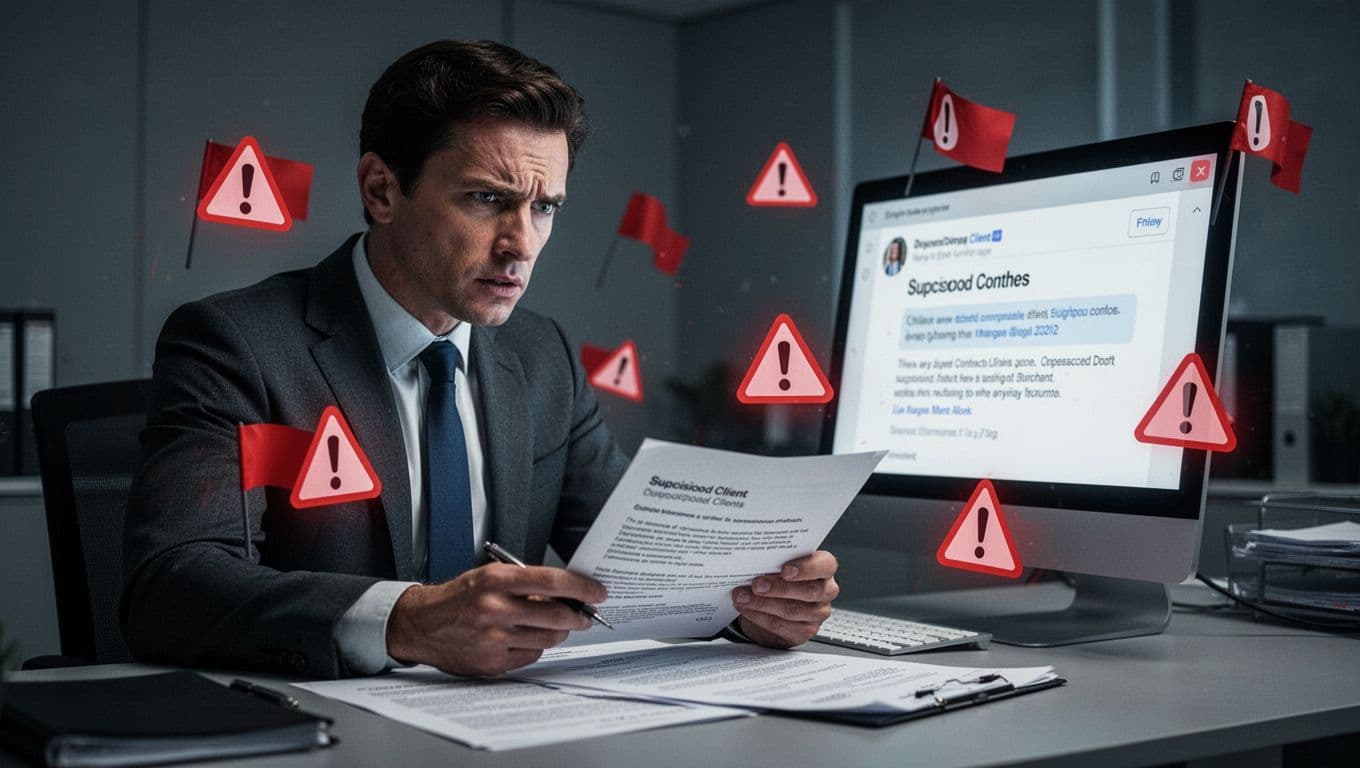
Watch for low pay with “future promises.” Free work requests scream no. Vague briefs or rude tones warn you off.
Politely exit. Say, “This doesn’t fit my rates.” Good clients respect boundaries. Repeats pay best.
Making Money Mistakes That Lead to Tax Nightmares
Taxes surprise newbies. Set aside 25-30% per payment. Use a separate account right away. Quarterly filings avoid IRS penalties.
File Form 1040-ES. Deadlines hit April 15, June 16, September 15, and January 15, 2027 for 2026. Track everything. Apps like QuickBooks help.
Never mix accounts. Personal buys blur lines. Non-billable time factors into rates too. For Form 1040-ES instructions, this resource explains calculations.

Forgetting to Save for Taxes Right Away
Big bills shock come April. Clients pay gross. Uncle Sam takes his cut.
Rule: Stash 25-30% immediately. Adjust as needed. One missed quarter cost a writer 8% penalty.
Mixing Business and Personal Finances
One account confuses tracking. Expenses vanish in proof.
Open a business checking. Free apps scan receipts. Monthly reviews keep you clean.
Overlooking Networking and the Right Freelance Mindset
Work heads down misses growth. Block weekly time for chats. One-on-ones beat logos.
State rates upfront. Builds respect. Price all time, admin included. Grind small wins first.
Treat it like business. Track metrics daily.

Freelancing thrives on connections. Gen Z leads with 53% full-time gigs. AI users grab top pay.
Ditch huge dreams early. Stack wins. Business mindset wins in 2026.
Smart moves pay off. Avoid these traps:
- Pricing traps: Switch to fixed fees; build a cash buffer.
- Profile botches: Add proof; pick right categories.
- Client ignores: Sign contracts; spot red flags.
- Money blunders: Save 25-30% for taxes; separate accounts.
- Mindset slips: Network weekly; price all time.
Pick one fix today, like profile review. In 2026, platforms reward the prepared. You join 85% who see bright futures.
Share your biggest mistake in comments. Subscribe for more tips to grow fast.